Ian Anderson
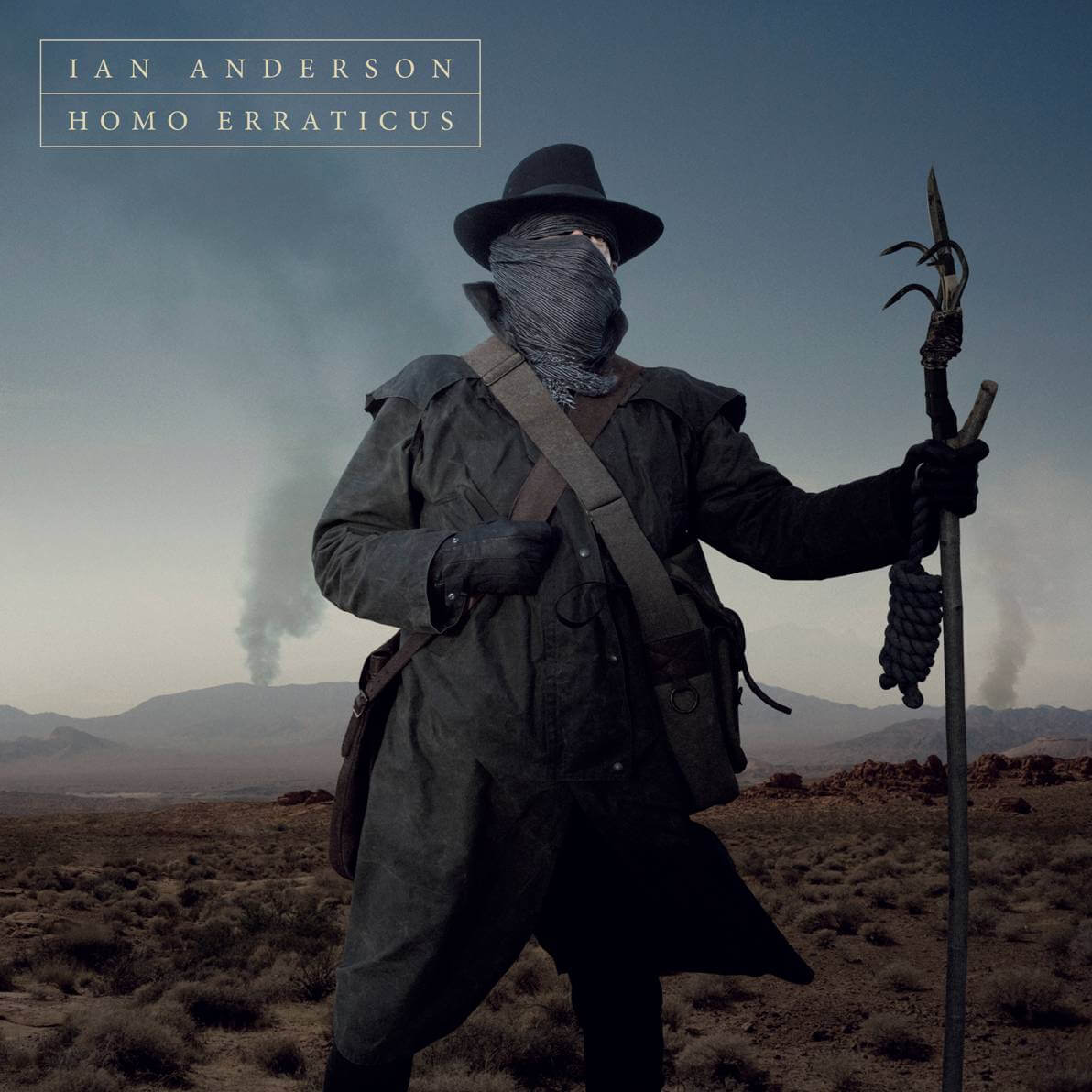
Homo Erraticus
Studio Album / Released April 14, 2014Homo Erraticus (2014) is Ian Anderson’s sixth solo album, a prog‑folk‑metal concept work credited once again to fictional lyricist Gerald Bostock. Built around a rediscovered manuscript by “historian” Ernest T. Parritt, it traces British history from prehistory to imagined futures, blending folk, medieval colours and heavy‑rock passages in a style reminiscent of 1970s Jethro Tull.
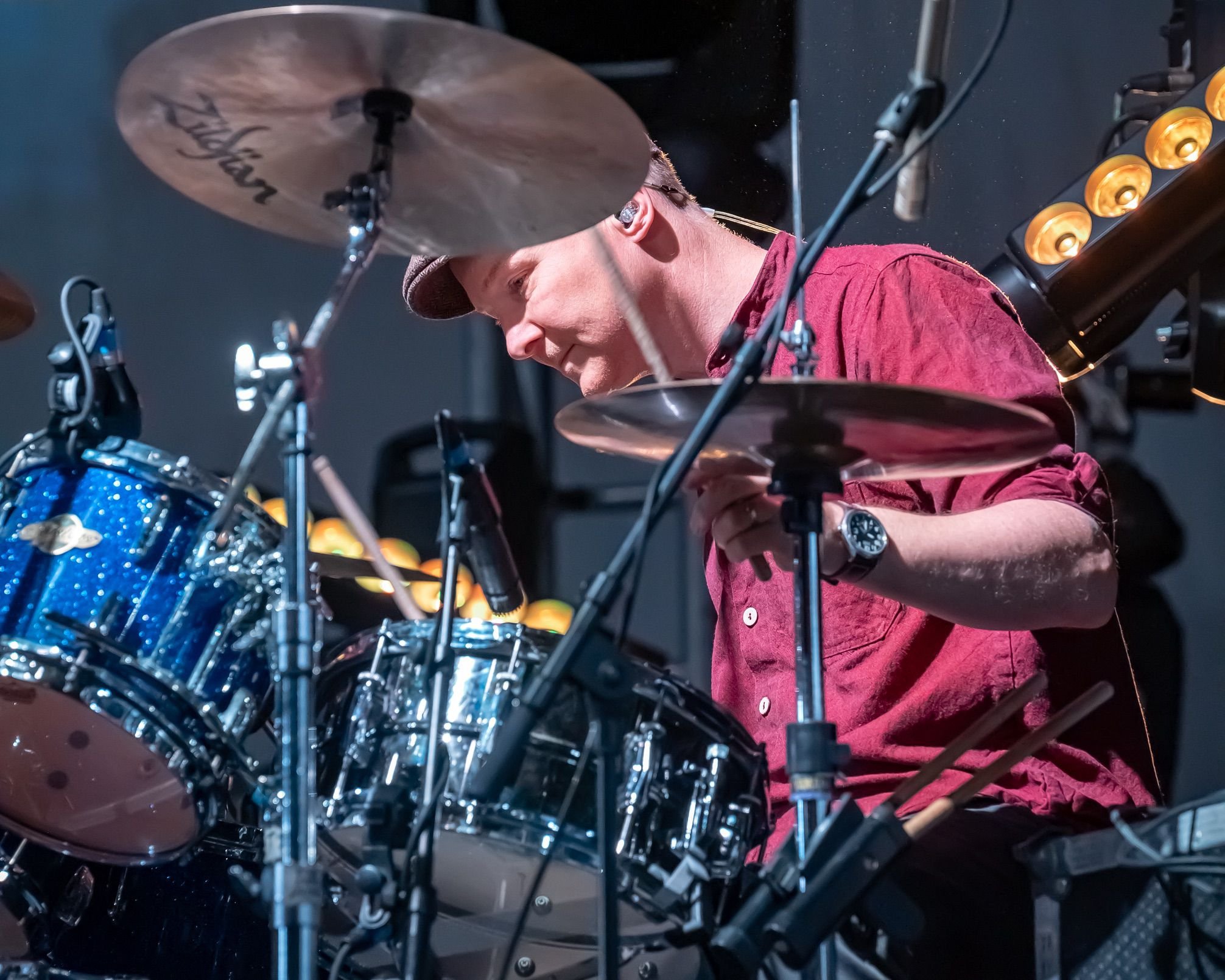
Band members featured on
Homo Erraticus


More About
Homo Erraticus
Released on 14 April 2014, Homo Erraticus is a large‑scale progressive rock concept album and the narrative successor to Thick as a Brick and Thick as a Brick 2. Its lyrics are presented as the work of Gerald Bostock, who claims to interpret a dusty, unpublished manuscript by eccentric amateur historian Ernest T. Parritt. The manuscript chronicles a series of imagined past lives—Neolithic settler, Iron Age blacksmith, Saxon invader, Victorian engineer—and extends into prophecies of Britain’s future. Anderson uses these vignettes as metaphors for modern social, political and cultural change.
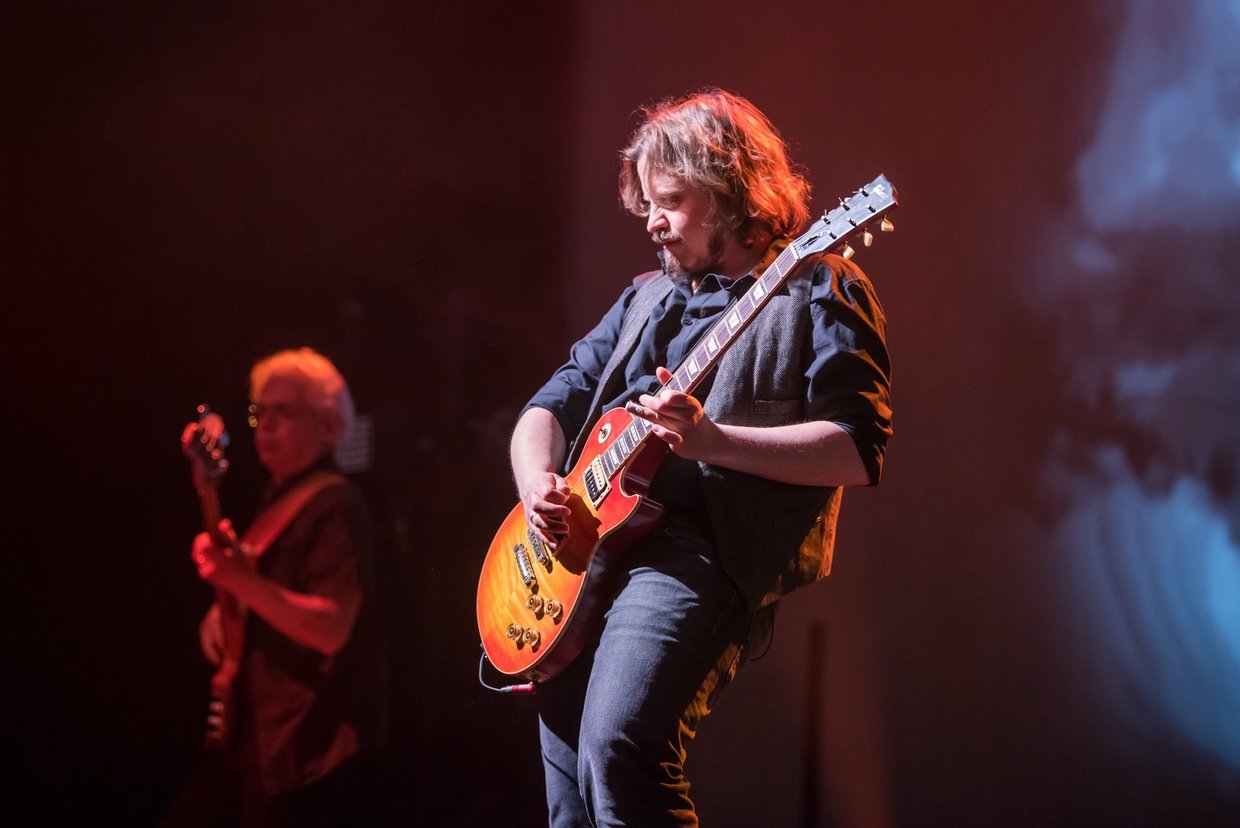
Musically, the album blends folk, medieval motifs, rock, and heavier metallic textures, creating what Anderson describes as prog‑folk‑metal. Critics noted its close musical lineage to classic‑era Jethro Tull, with flute‑driven themes, shifting time signatures and dense lyrical delivery. Tracks such as Enter the Uninvited, The Browning of the Green, and Cold Dead Reckoning highlight the album’s mix of narrative ambition and intricate arrangements. The band includes long‑time collaborators Florian Opahle, John O’Hara, David Goodier, Scott Hammond, and vocalist Ryan O’Donnell.
Charting at No. 14 in the UK and entering several European and US charts, it became Anderson’s most commercially successful solo album. He toured the album by performing it in full as the first half of each concert, followed by a set of Jethro Tull classics, emphasising its place within the Thick as a Brick narrative universe.