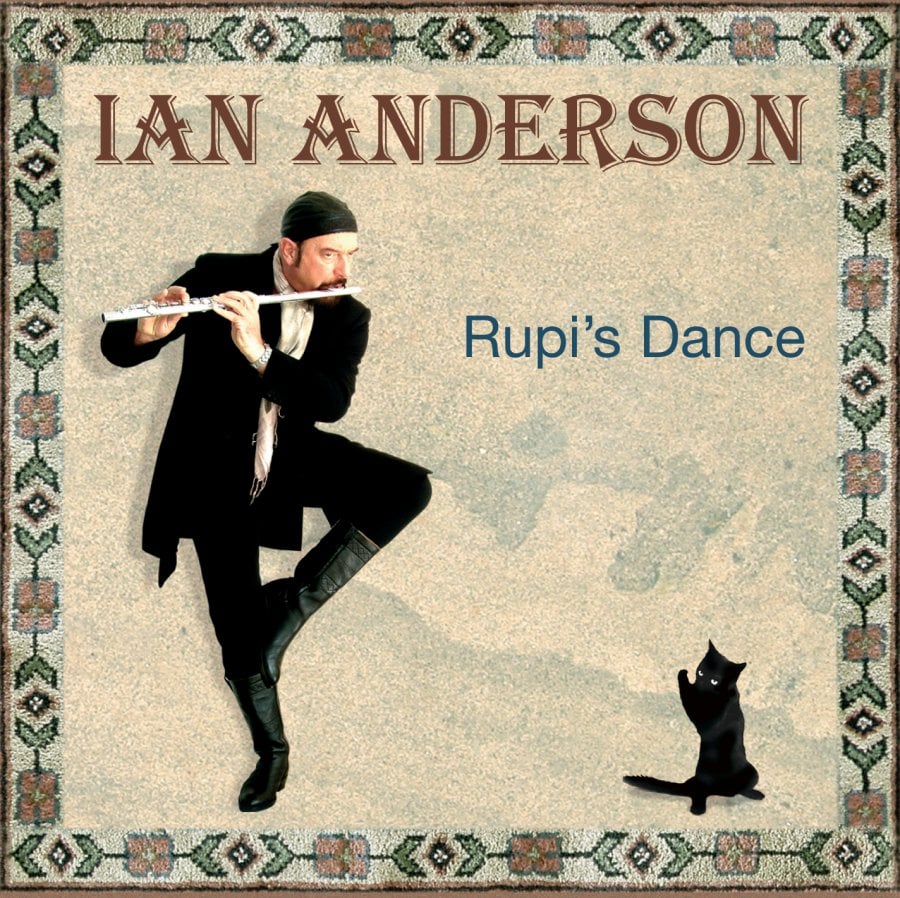
Ian Anderson
Rupi’s Dance
Studio Album / Released August 19, 2003Rupi’s Dance (2003) is Ian Anderson’s fourth solo album, an acoustic, folk‑influenced collection characterised by warm flute melodies, intimate songwriting, and gentle rhythmic arrangements. More upbeat than its predecessor The Secret Language of Birds, it blends personal themes, whimsical storytelling, and Anderson’s signature pastoral sound.
Band members featured on
Rupi’s Dance





More About
Rupi’s Dance
Released in 2003, Rupi’s Dance continues Ian Anderson’s acoustic‑centred solo work, following the lyrical, painterly style of The Secret Language of Birds while introducing a livelier, more rhythmically playful atmosphere. Named after Anderson’s cat Rupi, the album reflects a domestic, personal tone—lighthearted in places, melancholic in others—and showcases Anderson’s acoustic guitar, flute, mandolin family instruments, and gentle percussion.
Musically, the album leans toward folk with subtle world‑music accents, avoiding rock instrumentation in favour of a warm, close‑mic’d acoustic palette. The songs vary from reflective (“A Week of Moments”) to playful (“A Hand of Thumbs”, “Eurology”), with melodic lines that echo Anderson’s late‑’70s acoustic Tull style.
Lyrically, the album explores personal memories, everyday scenes, and character sketches—alongside the recurring theme of Anderson’s affection for cats, evident in tracks such as “Old Black Cat”. The closing track, “Birthday Card at Christmas”, also appeared on The Jethro Tull Christmas Album, released the same year.
Though understated commercially, Rupi’s Dance has been praised for its craftsmanship, gentle humour, and relaxed atmosphere. It later appeared in the 8314 Boxed vinyl set, confirming its status as an important chapter in Anderson’s acoustic solo period.