Ian Anderson
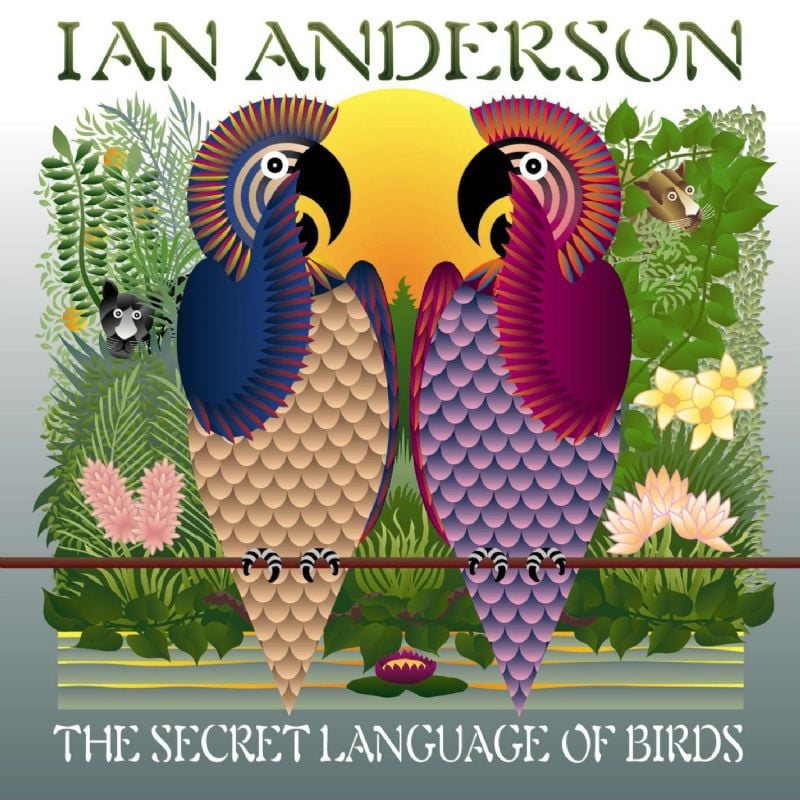
The Secret Language of Birds
Studio Album / Released March 6, 2000The Secret Language of Birds (2000) is Ian Anderson’s third solo album, an acoustic, folk‑coloured collection inspired by the dawn chorus and filled with detailed, painterly songwriting. Blending flute, acoustic guitar, mandolin, and subtle world‑music touches, it presents a gentler, more intimate side of Anderson, far from Jethro Tull’s rock dynamic.
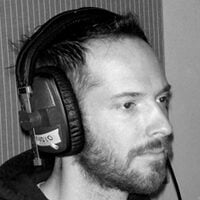
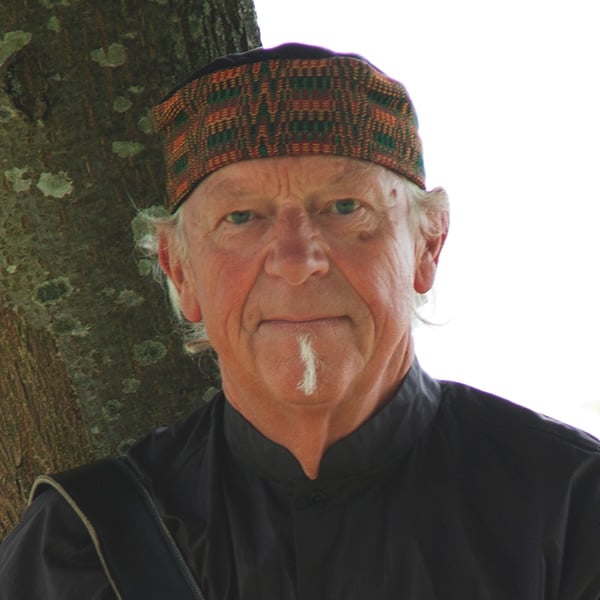
Band members featured on
The Secret Language of Birds
More About
The Secret Language of Birds
Released in 2000, The Secret Language of Birds marks Ian Anderson’s third solo album and showcases his move toward acoustic, pastoral songwriting shaped by flute, guitar, bouzouki, mandolin, and light percussion. Named after the dawn chorus, the album embraces natural imagery and draws heavily on Anderson’s interest in fine art, landscapes, and quiet, reflective storytelling. Its sound contrasts sharply with his earlier electronic‑leaning Walk Into Light and the orchestral instrumentals of Divinities, returning instead to warm acoustic textures with only faint traces of Jethro Tull’s rock edge.
Many tracks are accompanied by Anderson’s own written introductions, revealing inspirations ranging from painters like Sir William Russell Flint, Walter Langley, and L. S. Lowry to travel experiences, spicy food, and political moments such as Boris Yeltsin’s erratic dance that inspired Boris Dancing. The album’s instrumentation stays largely acoustic, with Andrew Giddings contributing keyboards, accordion, and marimba, and guest performances by Martin Barre and several drummers. Its tone is often mellow and contemplative, making it one of Anderson’s most relaxed and lyrically vivid works.
Though not aimed at mainstream charts, the album reached No. 26 on Billboard’s Heatseekers chart and later received a reissue, reaffirming its place as a pivotal entry in Anderson’s solo catalogue—bridging the intimate acoustic storytelling later developed further on Rupi’s Dance.