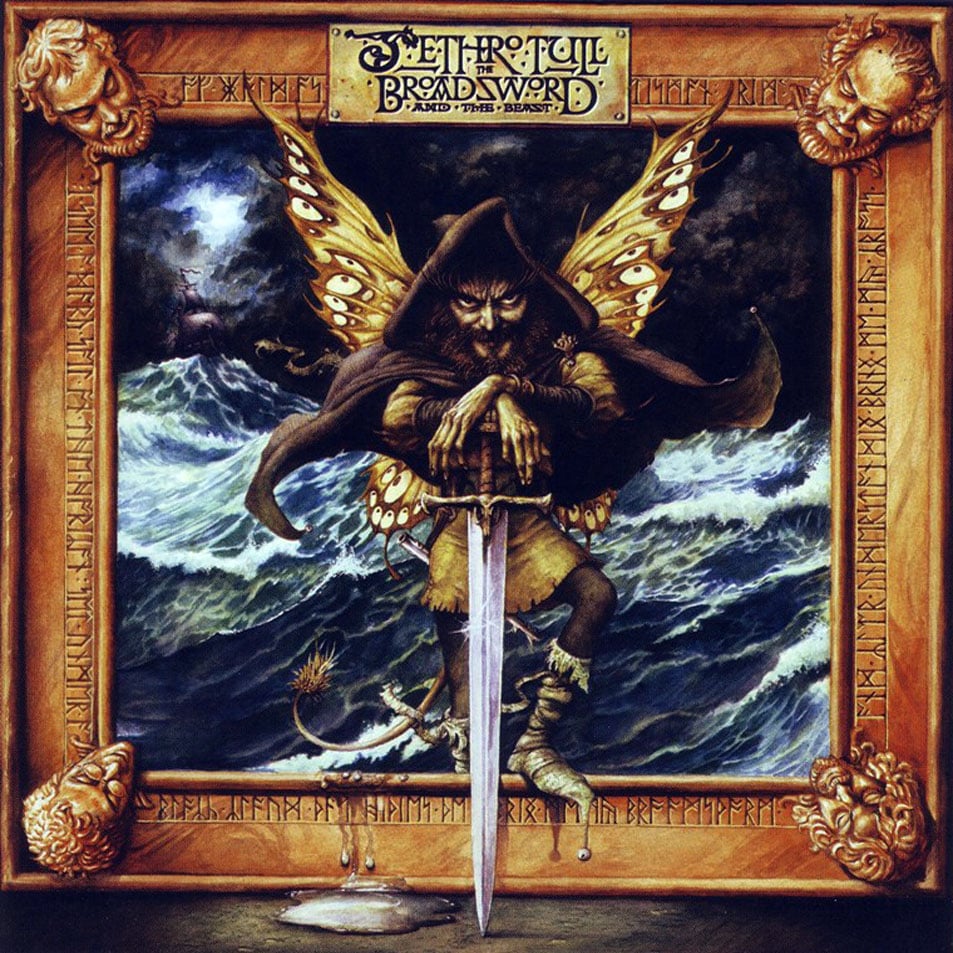
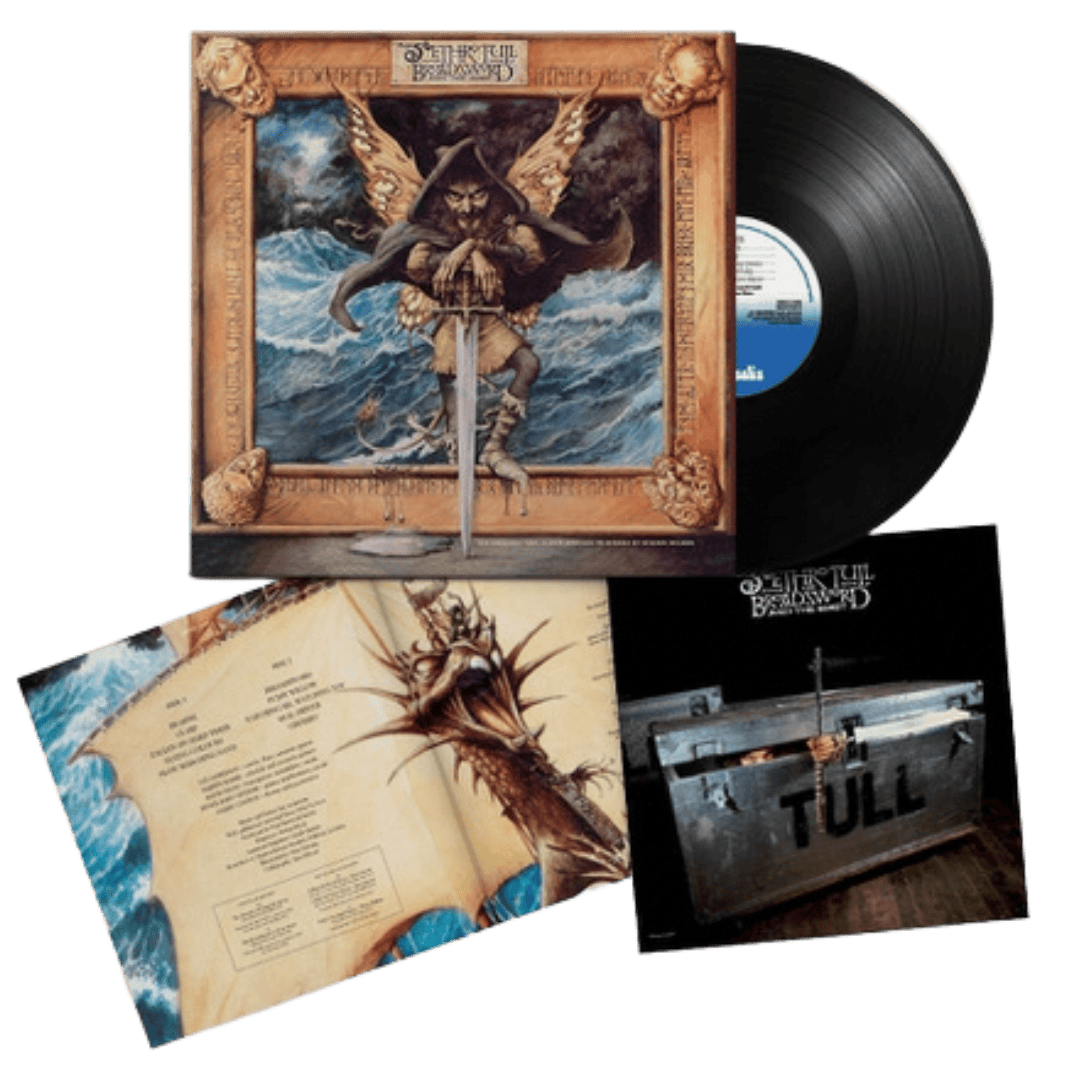
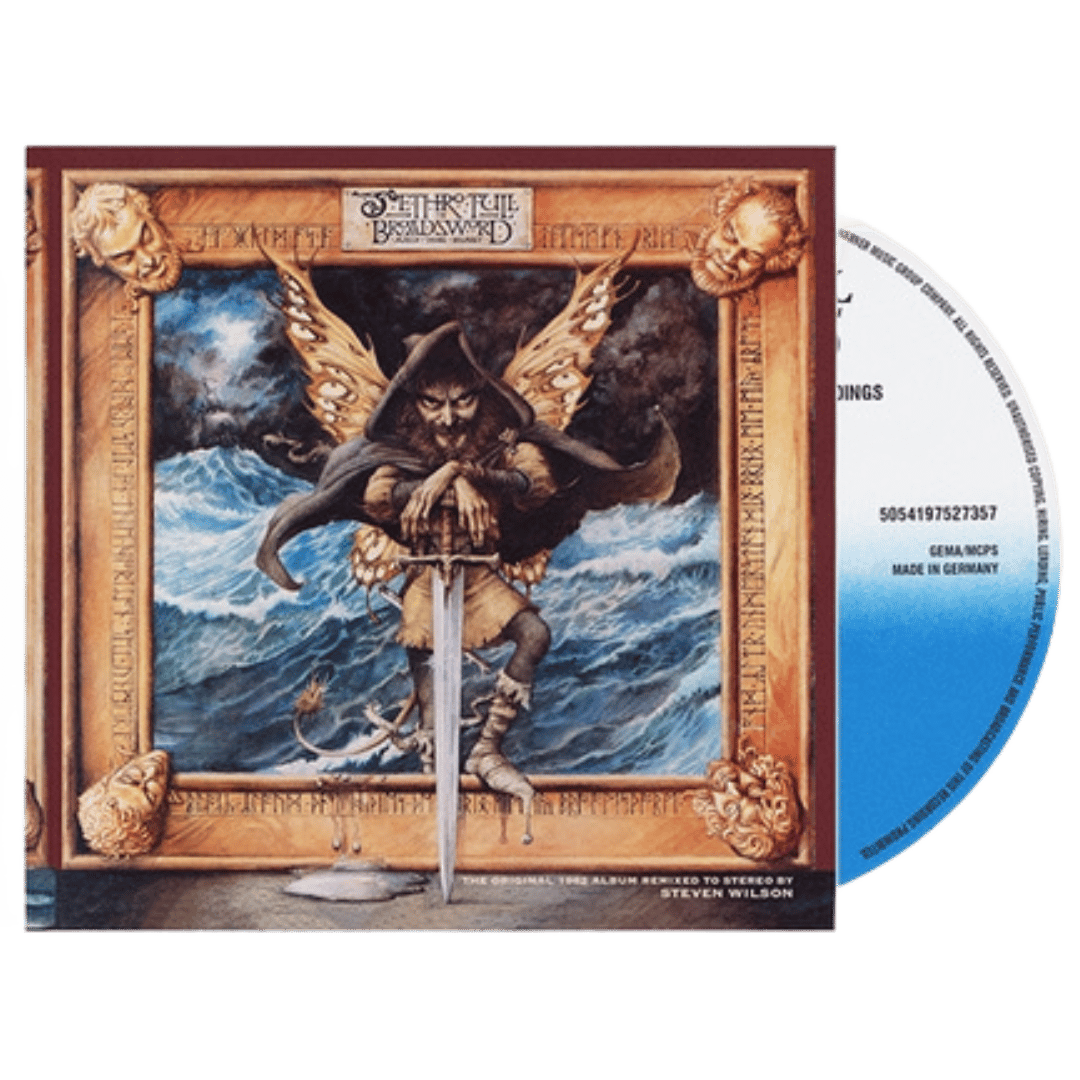
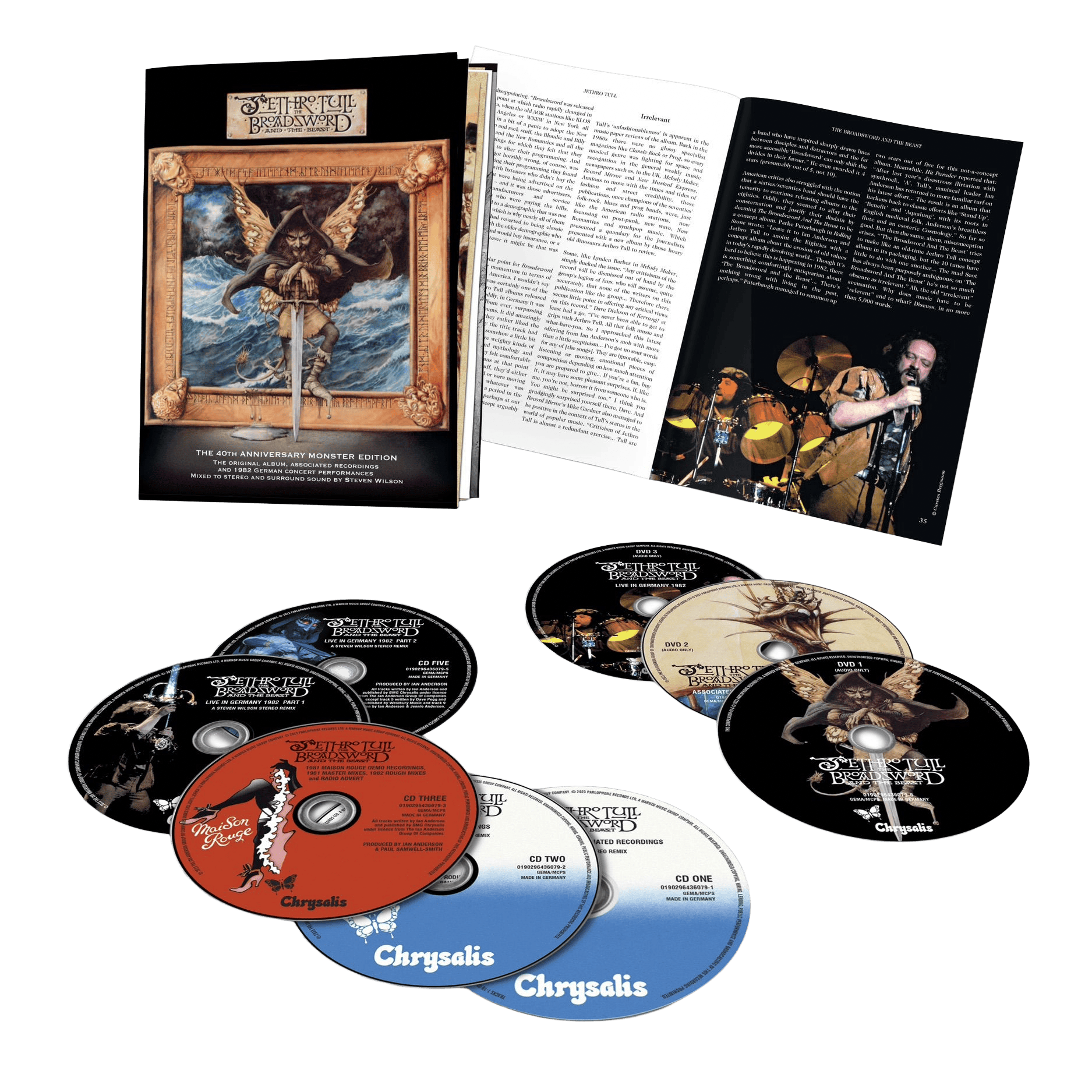
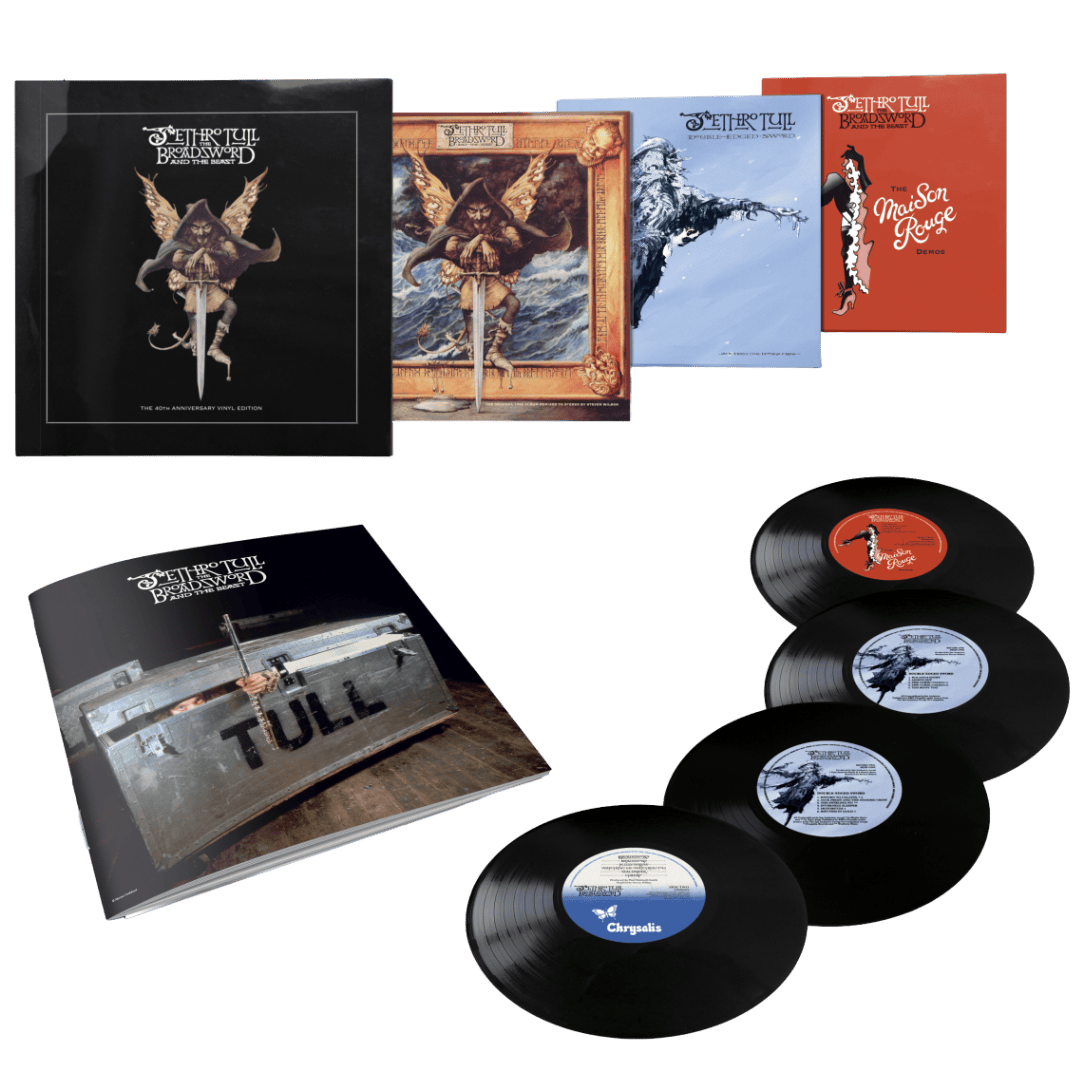
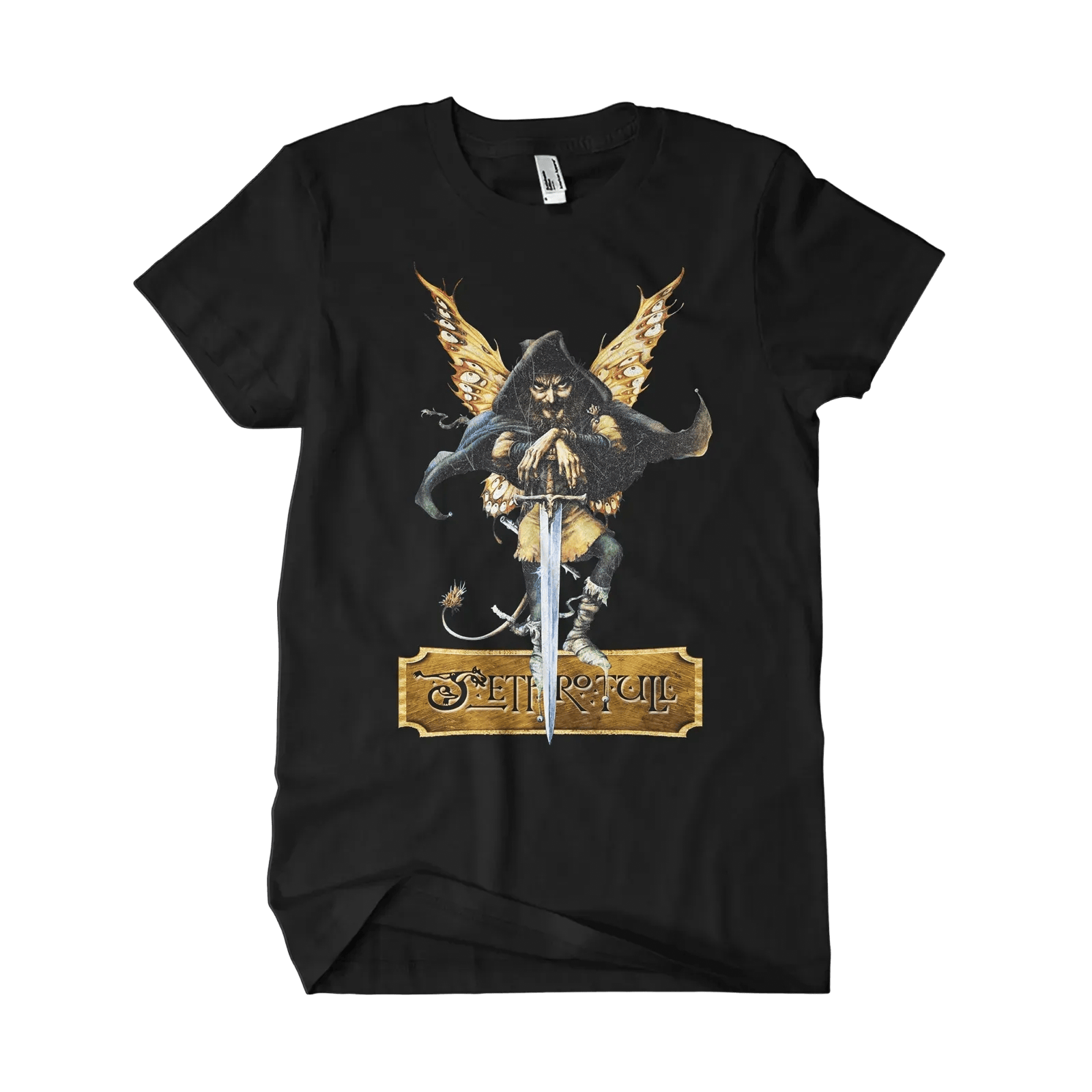
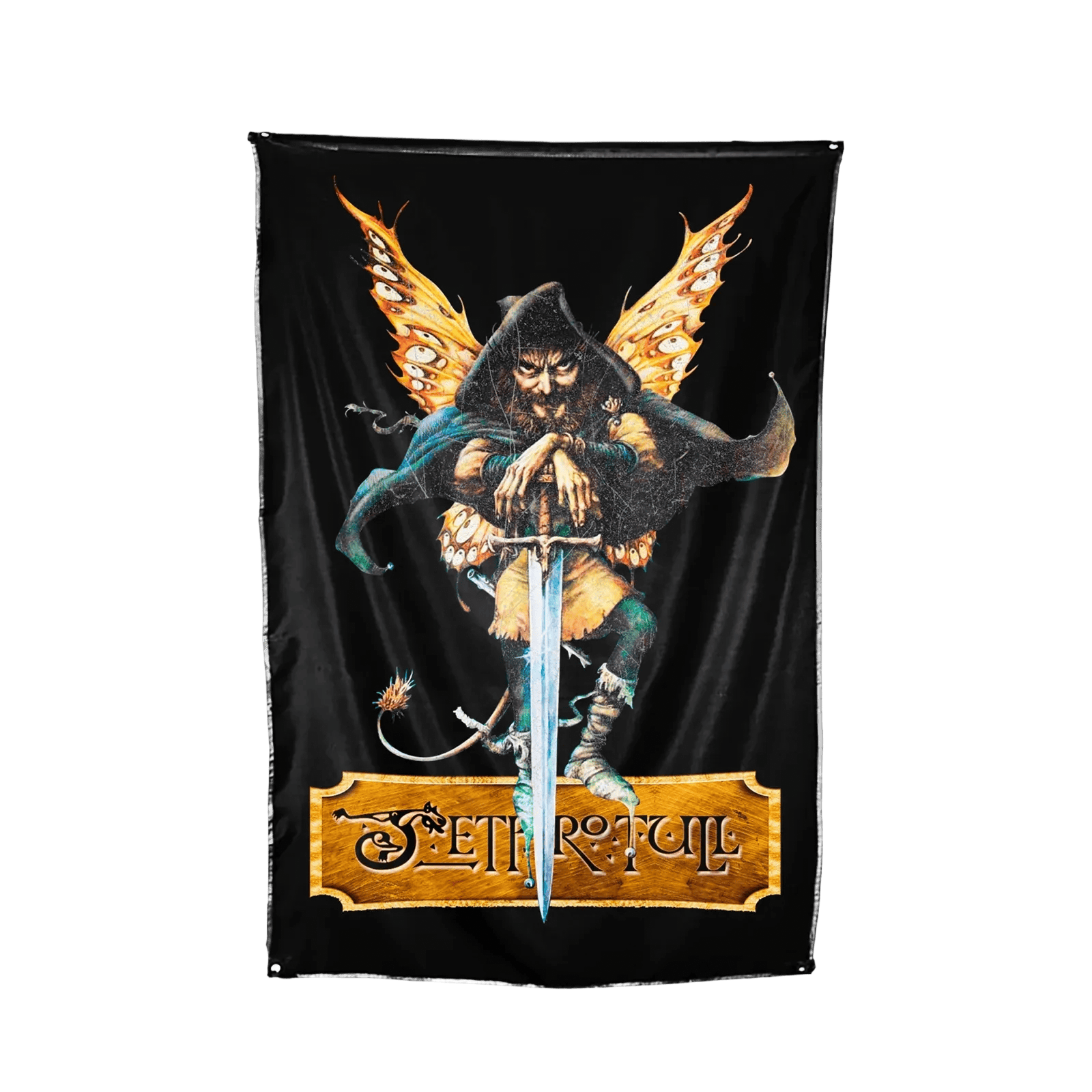
“The Broadsword and the Beast” (1982) revisits folk rock, blending it with hard rock, as seen in tracks like “Broadsword.” This album balances the band’s heritage with contemporary sounds, reflecting a mature and refined Jethro Tull.


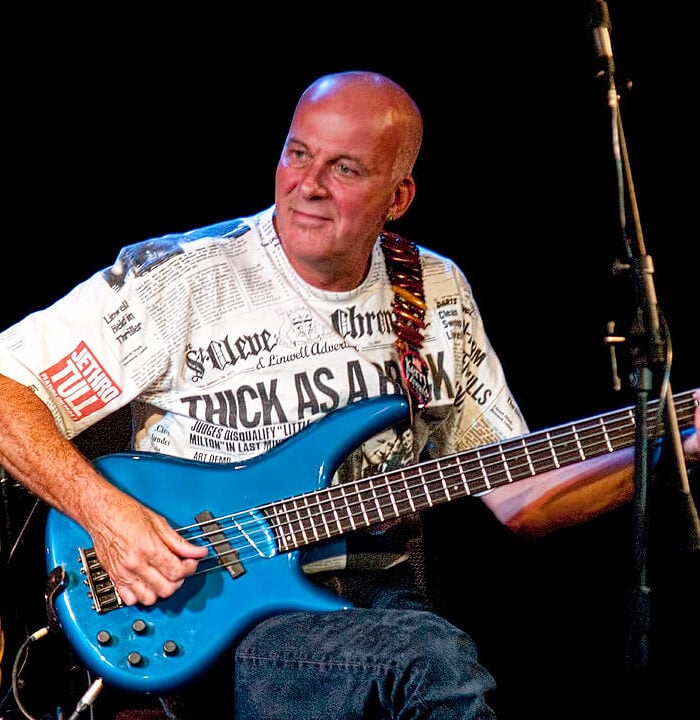
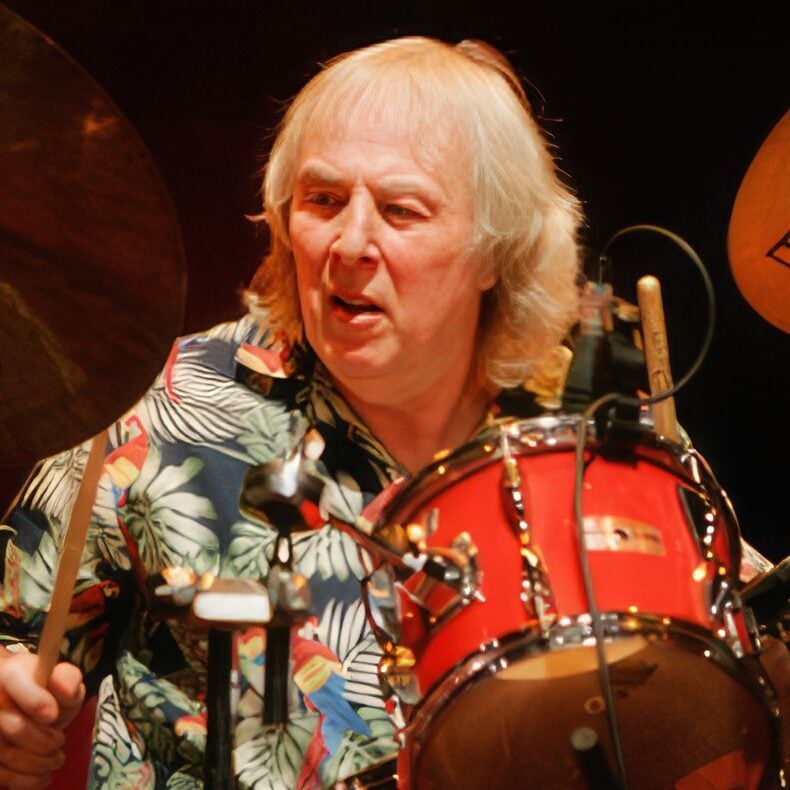
Band members featured on
The Broadsword and the Beast



More About
The Broadsword and the Beast
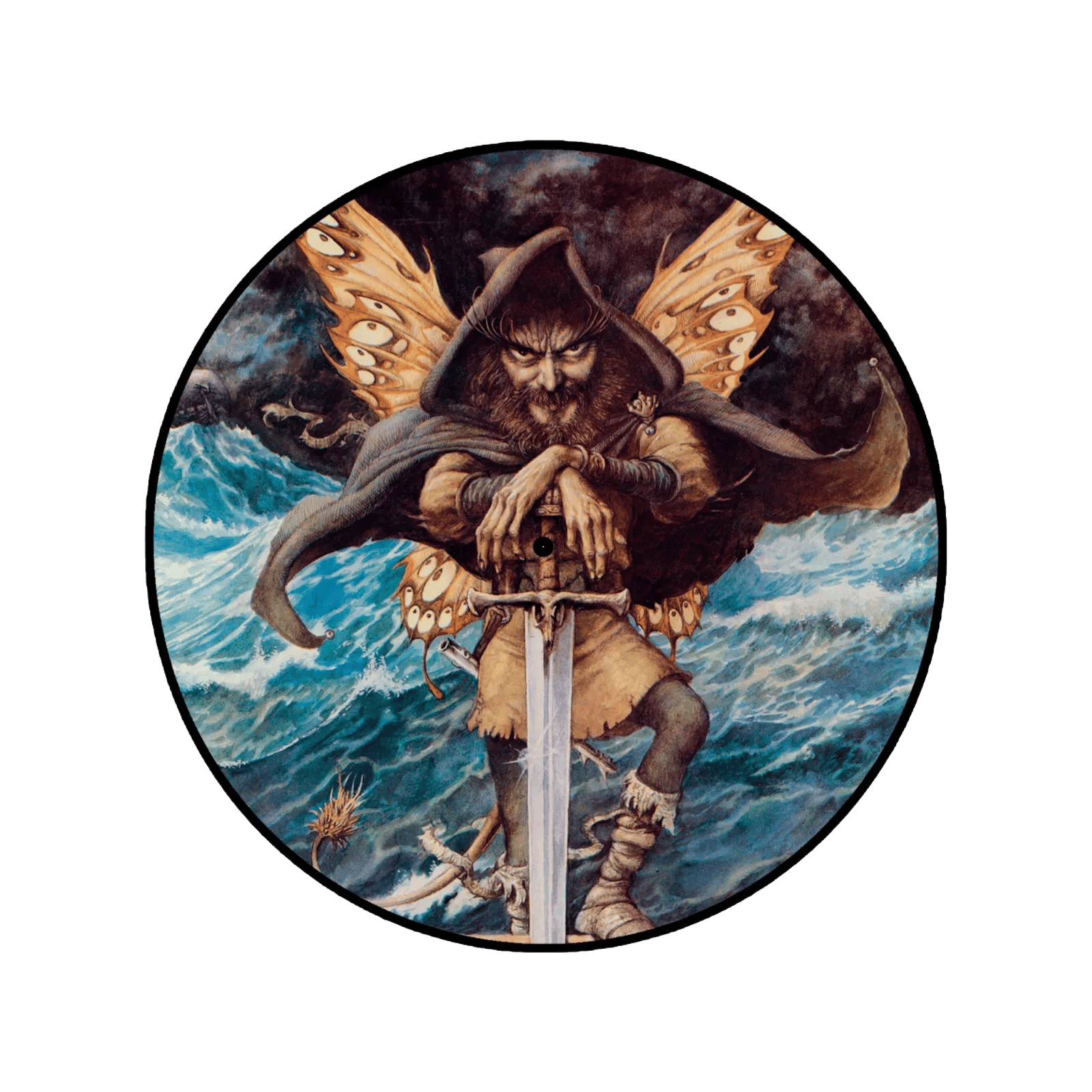
“The Broadsword and the Beast” saw Jethro Tull returning to a more traditional rock sound after their electronic forays. The album is rich with fantasy themes, medieval imagery, and a blend of the old Tull sound with modern production techniques.
“We were back to telling stories, but with a mix of the old and new,” Anderson said. “Broadsword’ was about embracing our history while looking forward.” The title track, “Broadsword”, with its driving rhythm and Anderson’s signature flute, encapsulates this blend of eras.
The album also contains moments of introspection, like “Fallen on Hard Times”, reflecting on personal and societal issues. It’s an album that feels like a return to form with a contemporary twist, showing that Jethro Tull could still rock with the best while exploring themes of heroism, fantasy, and the human condition.