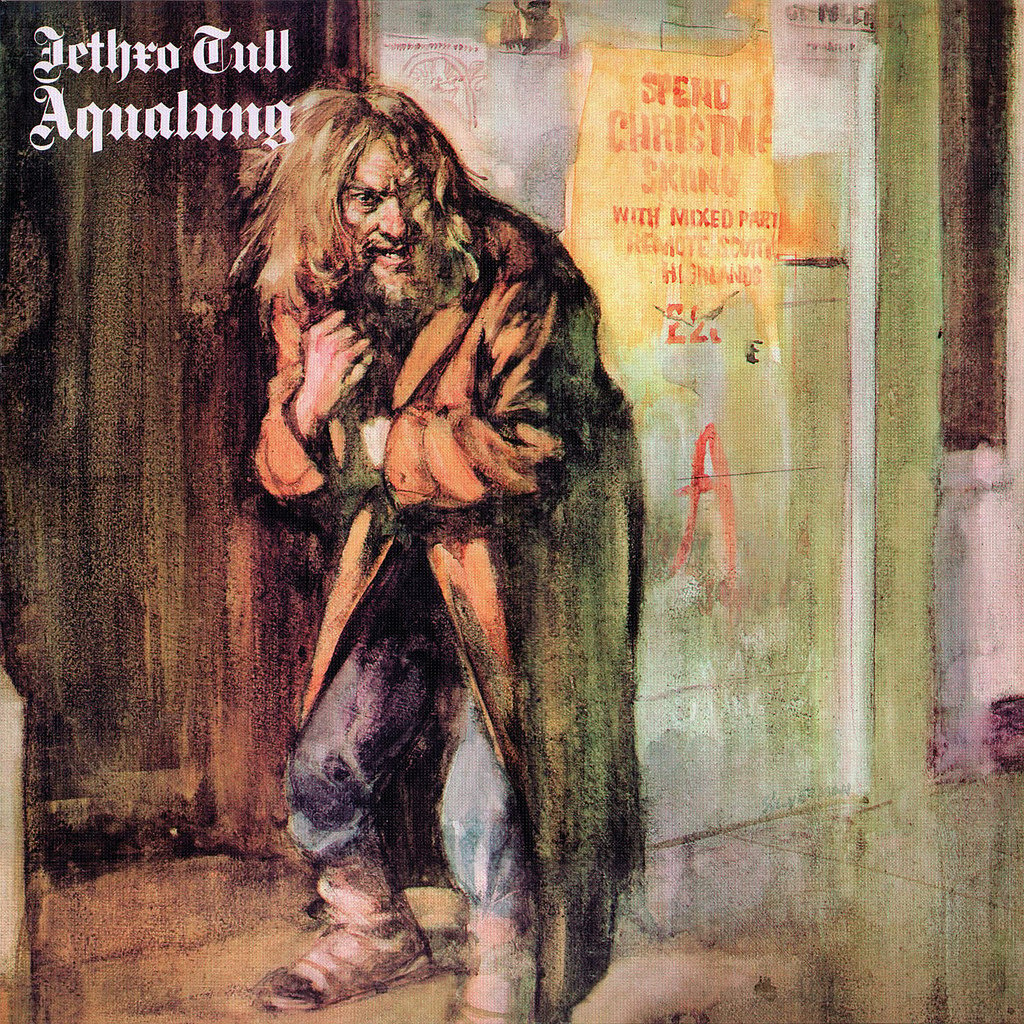
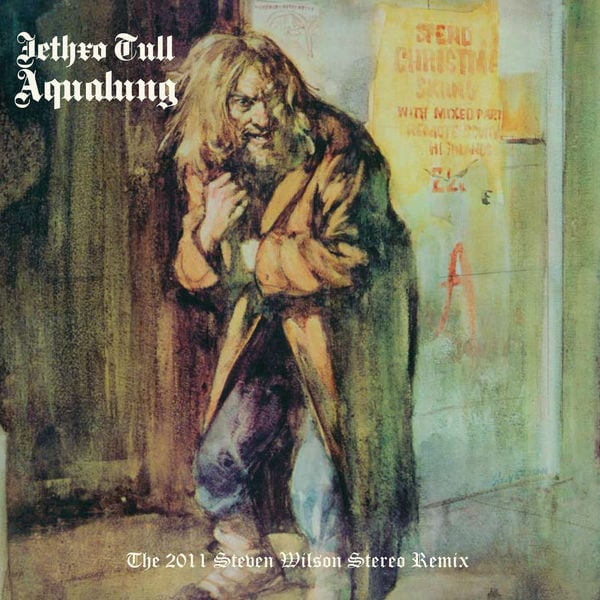
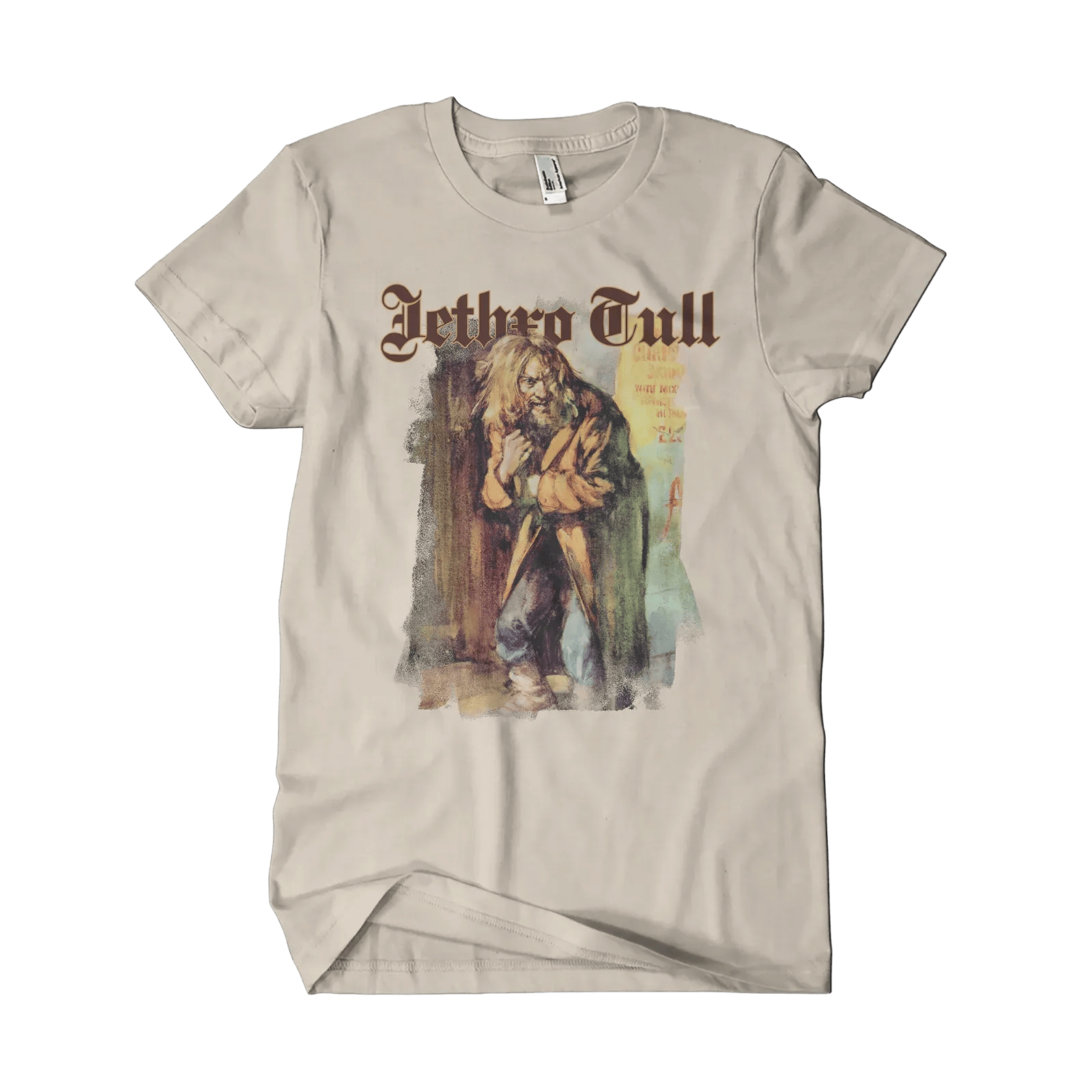
“Aqualung,” released in 1971, is perhaps Jethro Tull’s most iconic album, tackling themes of religion, society, and personal struggles. The title track and “Locomotive Breath” are classics, known for their sharp social commentary and the band’s blend of heavy rock with folk influences, cementing their reputation as one of the leading bands in progressive rock.
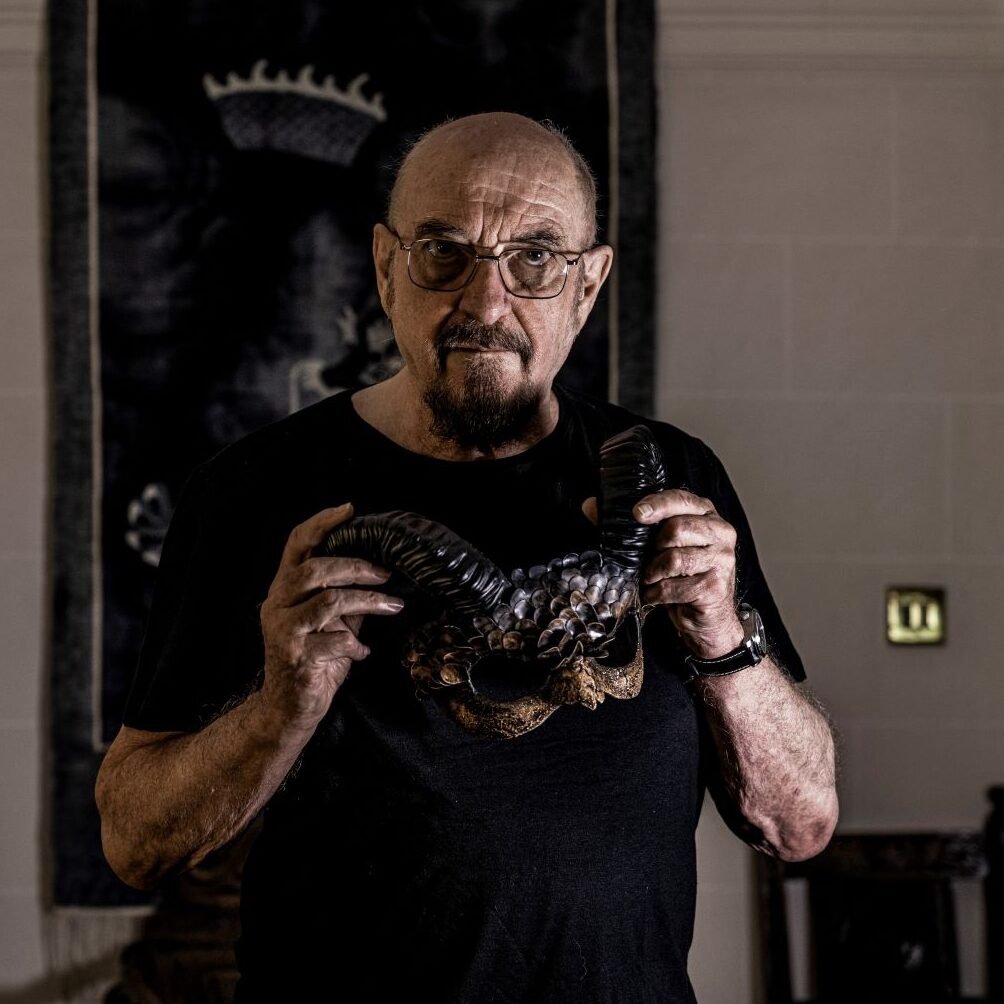
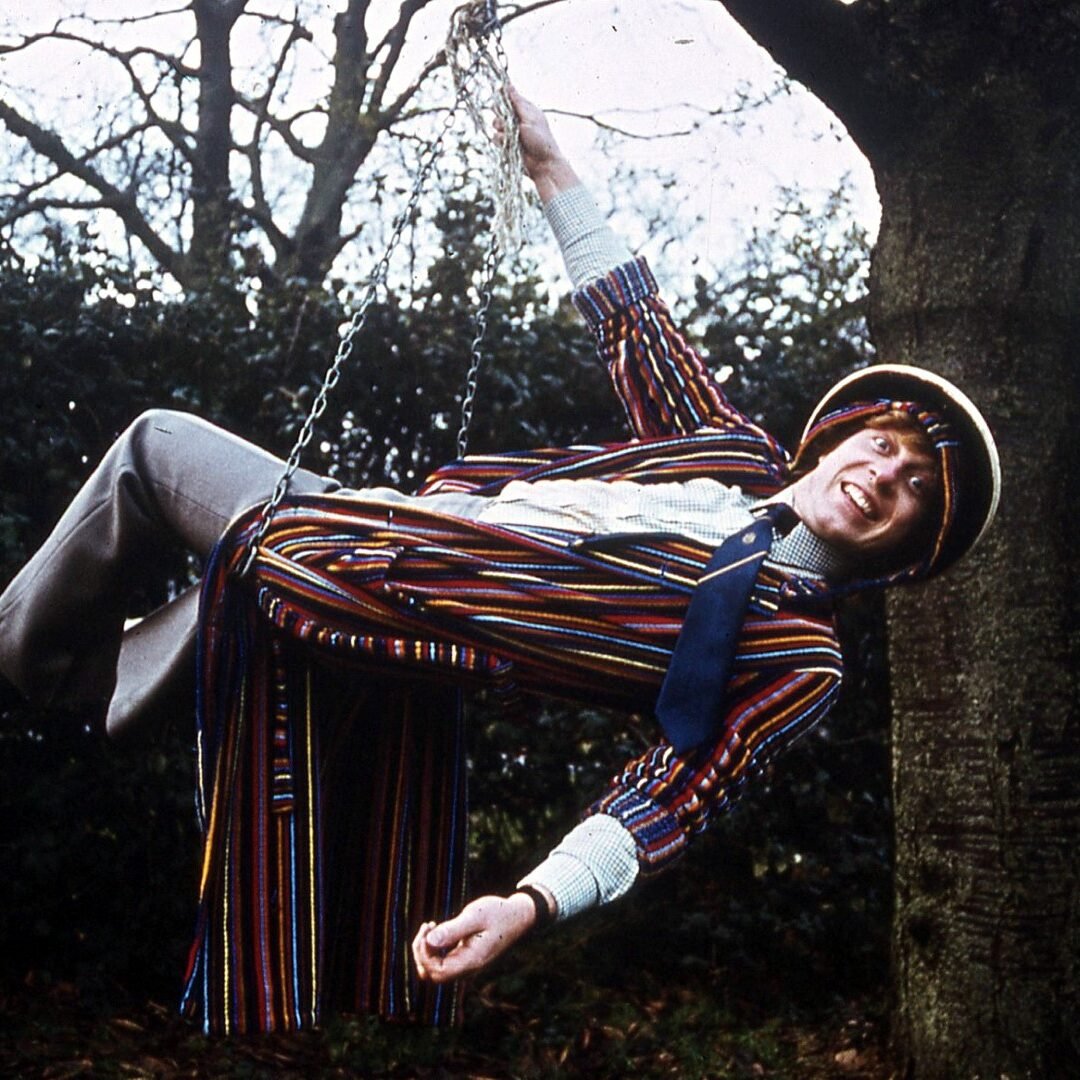
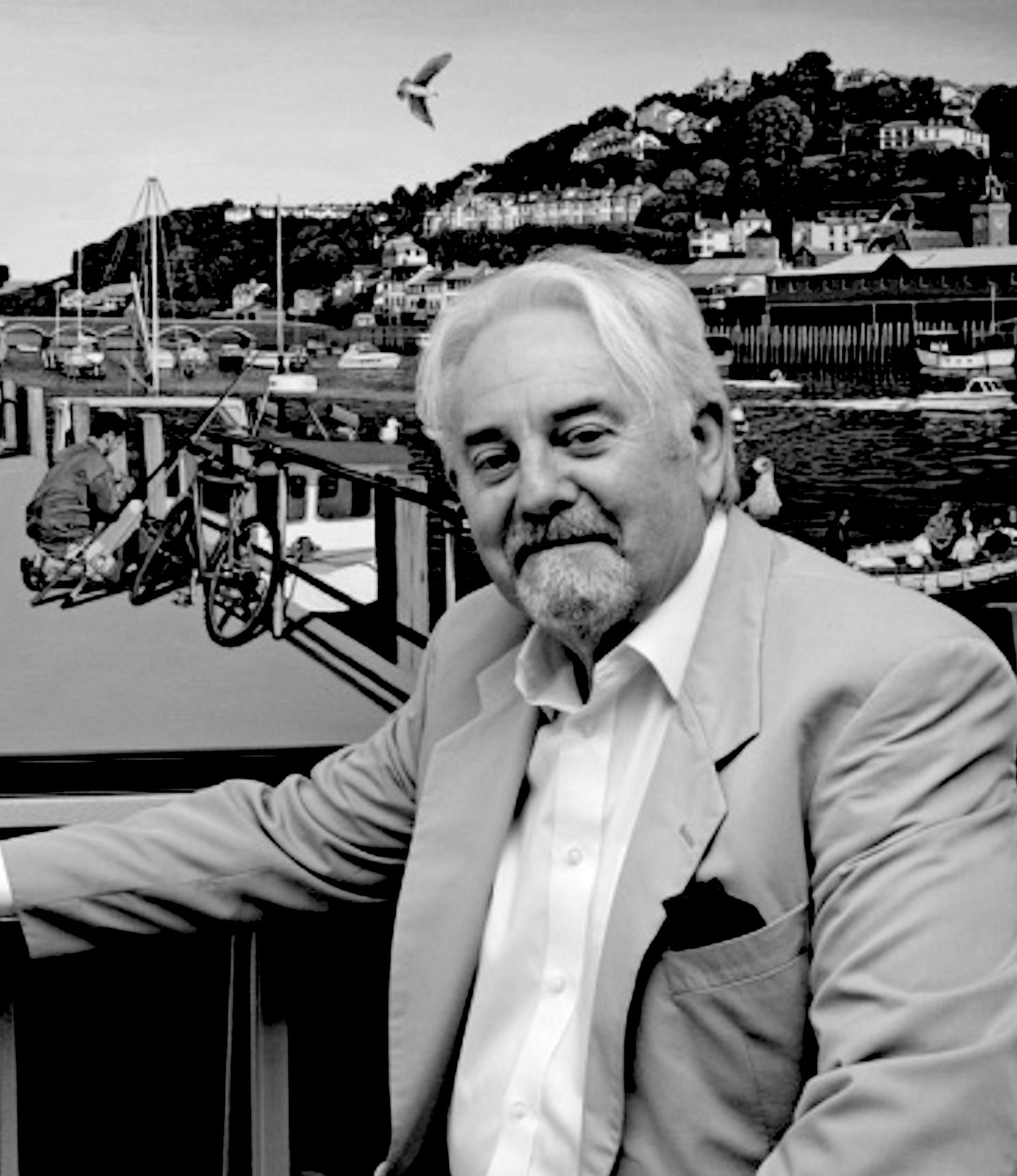
Band members featured on
Aqualung

More About
Aqualung
“Aqualung” remains a cornerstone in Jethro Tull’s discography, a blend of rock opera and social critique. The album opens with its namesake track, which delves into themes of homelessness, religion, and personal struggle, establishing the album’s tone of questioning and reflection. “Aqualung” was not initially conceived as a concept album, but the thematic connections emerged naturally, creating a cohesive narrative.
“We never set out to make a concept album,” Ian Anderson explained. “But ‘Aqualung’ ended up having this overarching narrative about societal issues and personal introspection. Songs like ‘My God’ were me exploring my own faith, or lack thereof, and how it juxtaposed with the dogmatic views of religion at the time.” The music itself was complex, with shifts from hard rock to acoustic folk, showcasing the band’s versatility.
The second side of the album is often overlooked in favour of the iconic opening tracks. The balance between Anderson’s biting commentary and moments of vulnerability gave “Aqualung” its depth, making it not just a musical experience but a thought-provoking journey.