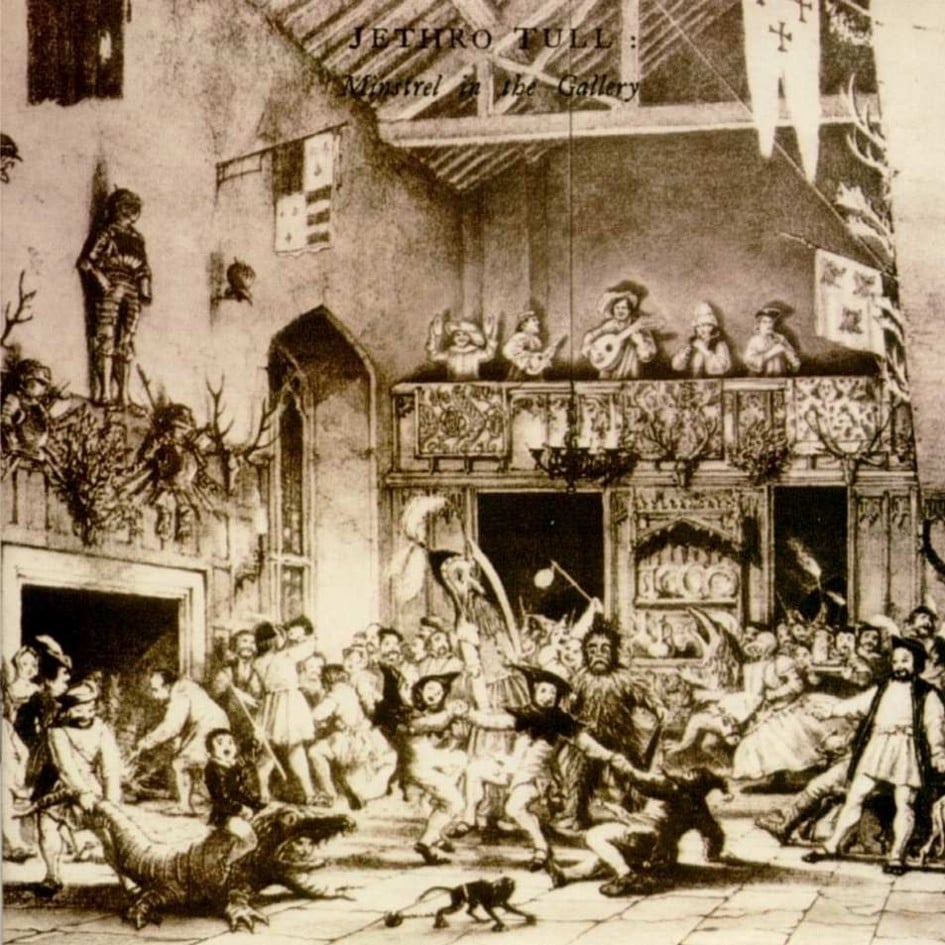
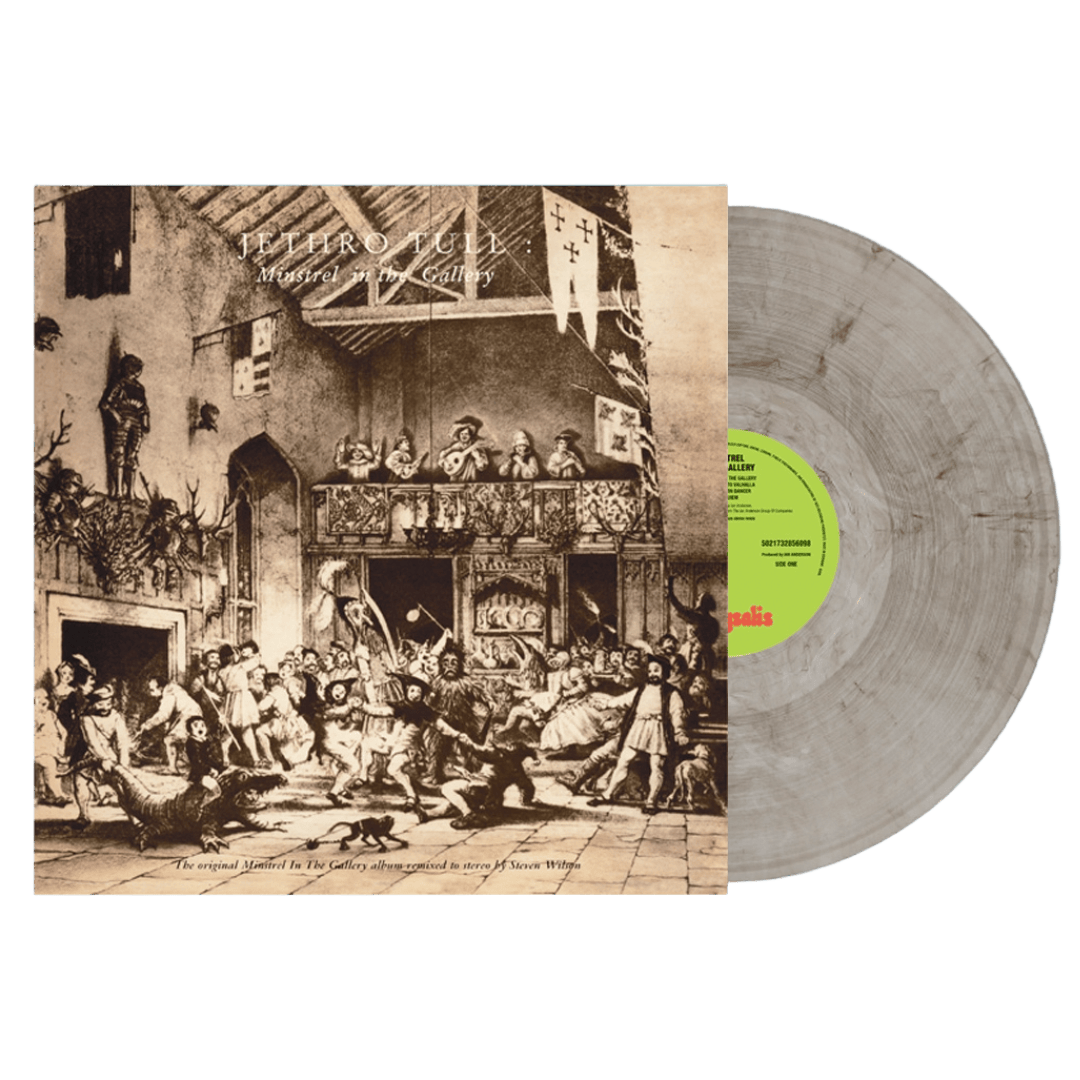
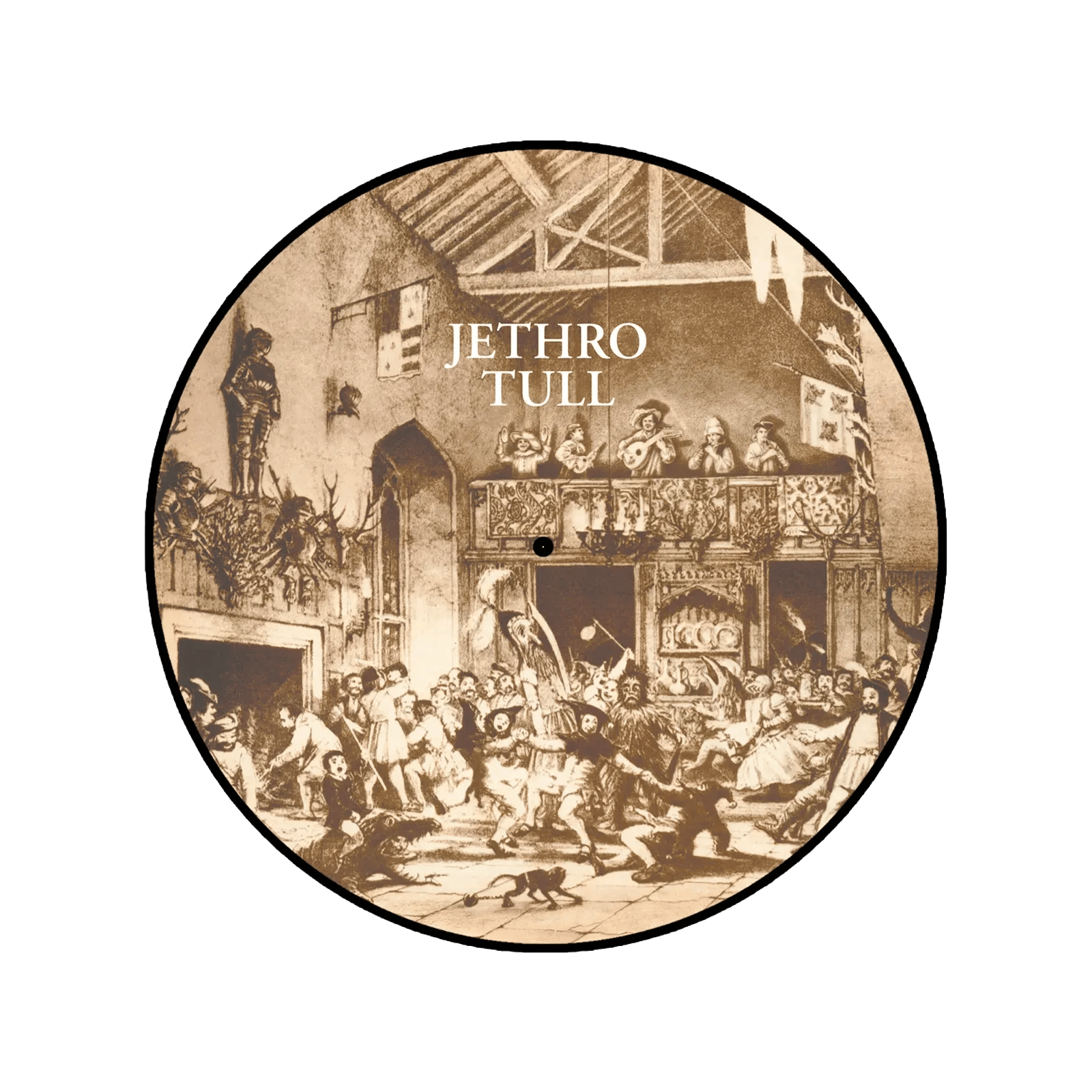
Minstrel in the Gallery is the eighth studio album by Jethro Tull, released in September 1975 by Chrysalis Records. Recorded at the Châlet du Lac in Switzerland during a transitional period for the band, it features the lineup of Ian Anderson on vocals, flute, and acoustic guitar; Martin Barre on electric guitar; John Evan on keyboards; David Palmer on keyboards and orchestration; and new bassist John Glascock alongside returning drummer Barriemore Barlow. The album draws on progressive rock with baroque and classical influences, exploring themes of urban alienation, romance, and personal reflection through Anderson’s poetic lyrics.
Band members featured on
Minstrel in the Gallery



More About
Minstrel in the Gallery
Produced by Ian Anderson, Minstrel in the Gallery was crafted during a time of personal and professional upheaval for the band, including the departure of bassist Jeffrey Hammond-Hammond and the integration of John Glascock, as well as Anderson’s own reflections on fame, relationships, and the disconnection of city living. The recording sessions at the mobile studio in Monte Carlo allowed for an intimate yet ambitious approach, with David Palmer’s orchestral arrangements adding layers of harpsichord, strings, and brass to complement the core rock instrumentation. This resulted in a sound that balances intricate compositions with raw energy, showcasing Anderson’s multifaceted flute work and Barre’s versatile guitar tones—from delicate acoustic fingerpicking to blistering solos.
Key tracks highlight the album’s diversity: the expansive title song, a multi-part suite exceeding eight minutes, blending folk-like introspection with progressive flourishes; “Cold Wind to Valhalla” evokes Norse mythology through driving rhythms, soaring flute melodies, and a sense of epic journey; the acoustic-driven “Requiem” is about “the parting of the ways after the death of an affair… but it’s not me specifically talking about a particular person.“ “Baker St. Muse” unfolds as a four-part exploration of urban ennui, shifting from spoken-word poetry to hard-rocking climaxes. Other notable pieces include the romantic ballad “One White Duck/0¹⁰ = Nothing at All,” which critiques superficial relationships with wry humour, and the closing “Grace,” a brief, ethereal coda that ties the album’s reflective threads together. Upon release, Minstrel in the Gallery reached number 7 on the UK Albums Chart and number 20 on the US Billboard 200.